[vc_row][vc_column][vc_column_text]
Reprinted with permission from ICMA.
As the virus continues to spread, we’ve gathered some resources to support local governments.
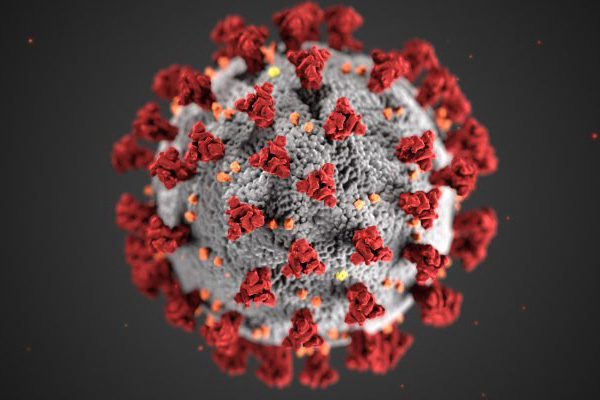 The Coronavirus Disease 2019, otherwise known as COVID-19, is a respiratory disease caused by a novel (new) coronavirus that was first detected in Wuhan City, Hubei Province, China and has spread to multiple countries.
In an effort to provide interim guidance oriented to United States local government managers on COVID-19, ICMA has curated considerations for local preparedness and response along with essential resources. This guidance should be paired with the frequent updates provided by the Centers for Disease Control (CDC), the Executive Office of the President of the United States, the World Health Organization (WHO), and the Federal Emergency Management Agency (FEMA), among others.
[/vc_column_text][/vc_column][/vc_row][vc_row][vc_column][vc_row_inner][vc_column_inner][vc_column_text]
CONSIDERATIONS FOR LOCAL GOVERNMENTS
[/vc_column_text][/vc_column_inner][/vc_row_inner][/vc_column][/vc_row][vc_row][vc_column][vc_row_inner][vc_column_inner width=”1/4″][vc_column_text]
CHAINS OF COMMAND FOR PUBLIC HEALTH EMERGENCIES
The chain of command will be different in a public health emergency than during natural disasters or human-created crises. Work with your state and local public health authorities and other community stakeholders to confirm emergency procedures, such as:
- Which organization will take the lead on coordinating local response?
- Who will be directing specific steps to follow for best medical practices?
- Where does funding for emergency response come from?
- Which organization will take the lead or “speak first” in health-related communication? How will other organizations disseminate that information to their specific audiences?
- “We are prioritizing public communication in parallel with our operational contingency planning.” Ed Shikada, city manager, Palo Alto, California
- Which levels of government will have a role in determining and enforcing movement restrictions or quarantines?
- How are you establishing a relationship with your public health agency now so you recieve information before it is released to the general public?
- A.C. Gonzalez, former city manager of Dallas, Texas noted that established relationships with the school district, county, neighboring juristictions, and other governmental organizations proved invaluable during thier response to Ebola in 2014.
[/vc_column_text][/vc_column_inner][vc_column_inner width=”1/4″][vc_column_text]
POTENTIAL GAPS IN EMERGENCY RESPONSE PROTOCOL
If your organization doesn’t have a specific viral disease plan, such as a pandemic influenza plan, you may have a general hazard mitigation plan or continuity of operations plan. Review your existing emergency preparedness and response plans and identify potential gaps for a pandemic emergency. Elements to consider include:
- Basic plans for family or households who may have COVID-19-infected members.
- Lodging/quarantine for household animals with infected owners.
- Facilities or resources, such as emergency command centers, lodging, or staff expertise your organization can make available to aid in emergency response.
- Potential national media attention and the impacts to your communication plan and staffing.
- Contingency plans if key local government employees contract the illness.
- “We’ve had to develop new lists of essential personnel because we’ll need different people if we have to close a City operation for a 14 day quarantine.” Martha Bennett, city manager, Lake Oswego, Oregon
- Access to and necessity of personal protective equipment (PPE) as identified by your local public health authority.
- “Expedited procurement procedures are being used by local governments to acquire thermal scanners, safety equipment, and tiny home containers for those who are put into isolation.” Robert Kristof, city manager, Timisoara, Romania
- Impacts of restricted movement directives or large-scale quarantines on your community.
- Following and implementing CDC and your local public health agency’s guidance on mass gatherings within your community.
[/vc_column_text][/vc_column_inner][vc_column_inner width=”1/4″][vc_column_text]
PREPARING YOUR LOCAL GOVERNMENT WORKFORCE
Several steps can be taken to prepare your workforce to respond to a pandemic outbreak. Actions to consider include:
- Increasing routine surface cleaning of public places and all regularly touched surfaces and objects, such as door handles, railings, counters, desks, electronics, appliances, and equipment, in offices and settings where people regularly gather.
- Encouraging employees to practice precautionary steps to avoid getting sick, including getting vaccinated for the seasonal flu, washing their hands regularly, avoiding close contact with people who are sick, avoiding touching their face, and covering their cough or sneeze with a tissue.
- Actively encouraging all employees who are sick to stay home, even for mild illnesses, and removing doctor note requirements.
- Tom Bakaly, CEO of The Beach Cities Health District, has requested that all of his employees who are sick stay home from work even for mild illnesses.
- Adjusting leave policies to be flexible for public health emergencies, including permitting employees to stay home to care for sick family members.
- Preparing your employees and elected officials for the possibility of long-term teleworking.
- Potential for rescheduling public meetings or conducting them remotely on conference calls or video chat.
- Preparing your executive team, human resource departmnet, and employee assistance programs to provide additional resources to protect the mental health needs of your employees during a response.
- “The City’s top priority has to be protecting the health and safety of its employees (because without them, you can’t provide services)…employees need to know that you care, need someone to talk to, and need resources.” Martha Bennett, city manager, Lake Oswego, Oregon
[/vc_column_text][/vc_column_inner][/vc_row_inner][/vc_column][/vc_row][vc_row][vc_column][vc_column_text]
KEY RESOURCES FOR LOCAL GOVERNMENTS
- CDC’s situation summary page for COVID-19 provides the latest updates on source, spread, response, and recommendations.
- CDC’s frequently asked questions and answers on COVID-19.
- CDC’s latest COVID-19 prevention and treatment guidance for individuals.
- CDC’s latest guidance for communities on mass gatherings.
- CDC’s preparation for first responders, healthcare providers and health systems for the potential spread of coronavirus.
- CDC’s prevention steps for the spread of coronavirus in homes and residential communities.
- CDC’s guidance for businesses and employers to plan and respond to coronavirus.
- Cybersecurity & Infrastructure Security Agency (CISA) general resource page.
- FEMA provides guidance on individual household preparation for emergencies.
- WHO has designed a simulation exercise for national-level organizations, and the Power Point resource is the best starting place to adapt the exercise for your community.
- WHO has created a GIS dashboard tracking current known cases of COVID-19.
- Esri’s COVID-19 GIS hub is a collection of mapping and data analysis.
- The National Governors Association has created a resource hub which it intends to update regularly.
- The International Municipal Lawyers Association (IMLA) conducted a call with a public health law professor and three emergency management focused attorneys, and a recording is avaialble for all IMLA members.
ICMA RESOURCES
- At this year’s 2020 ICMA Regional Conferences, ICMA staff members and local government professionals will further discuss considerations for public health emergencies and preparedness in the form of sessions and/or roundtables.
- In this blog post, Perspectives from ICMA Leaders Across the Globe on CORVID-19, offer city manager perspectives from communities in Romania, Washington, and California.
- In this blog post, The Coronavirus and Your Crisis and Emergency Response Communications Plan, Nick Boukas, MPA, NMDOH Regional Director, Santa Fe, New Mexico, covers the key things to keep in mind as your craft your communications plan.
- In this podcast, When a Public Health Crisis Comes to Town, retired Dallas City Manager A.C. Gonzalez shares his city’s experience with an Ebola outbreak.
- This complimentary e-book, Building Resilient Communities During Disruptive Change – Part 1: Crisis Communications, looks at ways to develop sound crisis communication practices to help citizens and local government personnel understand and deal with dangerous situations in a timely and prudent manner.
- We’ve put together an infographic, The 8 Key Local Government Personnel You Need On Your Crisis Communications Team, showing the roles and responsibilities of local government professionals in a crisis. If you are with a small community and don’t have this kind of bench strength, consider mapping these roles into existing positions or collaborating with other jurisdictions that may have a role in place that you don’t.
- This report, Leadership Before, During, and After a Crisis, analyzes the common and effective leadership and management skills and techniques that professional managers deploy when a crisis strikes and identifies leading practices that can be adopted.
[/vc_column_text][/vc_column][/vc_row]