How long have you been an FCCMA member, and why did you join?
I joined FCCMA in August 2025 as part of my professional growth in public service. I saw the organization as an excellent opportunity to network with city and county leaders across Florida, expand my knowledge of local government management, and connect with mentors who have successfully navigated similar career paths.
Are you an ICMA member?
I am not currently an ICMA member.
Please describe your areas of formal/advanced education.
I earned my Bachelor of Science in Emergency Management from the University of Central Florida in 2021. I am currently completing a Master of Public Administration degree with Columbia Southern University, with an expected graduation in October 2025.
Why did you select a career in public service?
Being born and raised in central Florida, especially during the 2004 hurricane season, I saw firsthand how hurricanes and disasters affected my community. That experience motivated me to pursue a career in emergency management and local government, where I could help ensure communities are prepared and supported.
Have you always been in the public sector, or have you had experience in the private sector?
My career has been entirely in the public sector. I began working in emergency management roles in county governments, which provided me with a strong foundation in both technical planning and leadership.
Please tell us about your current position and give a brief job description if you are not a City Administrator/Manager.
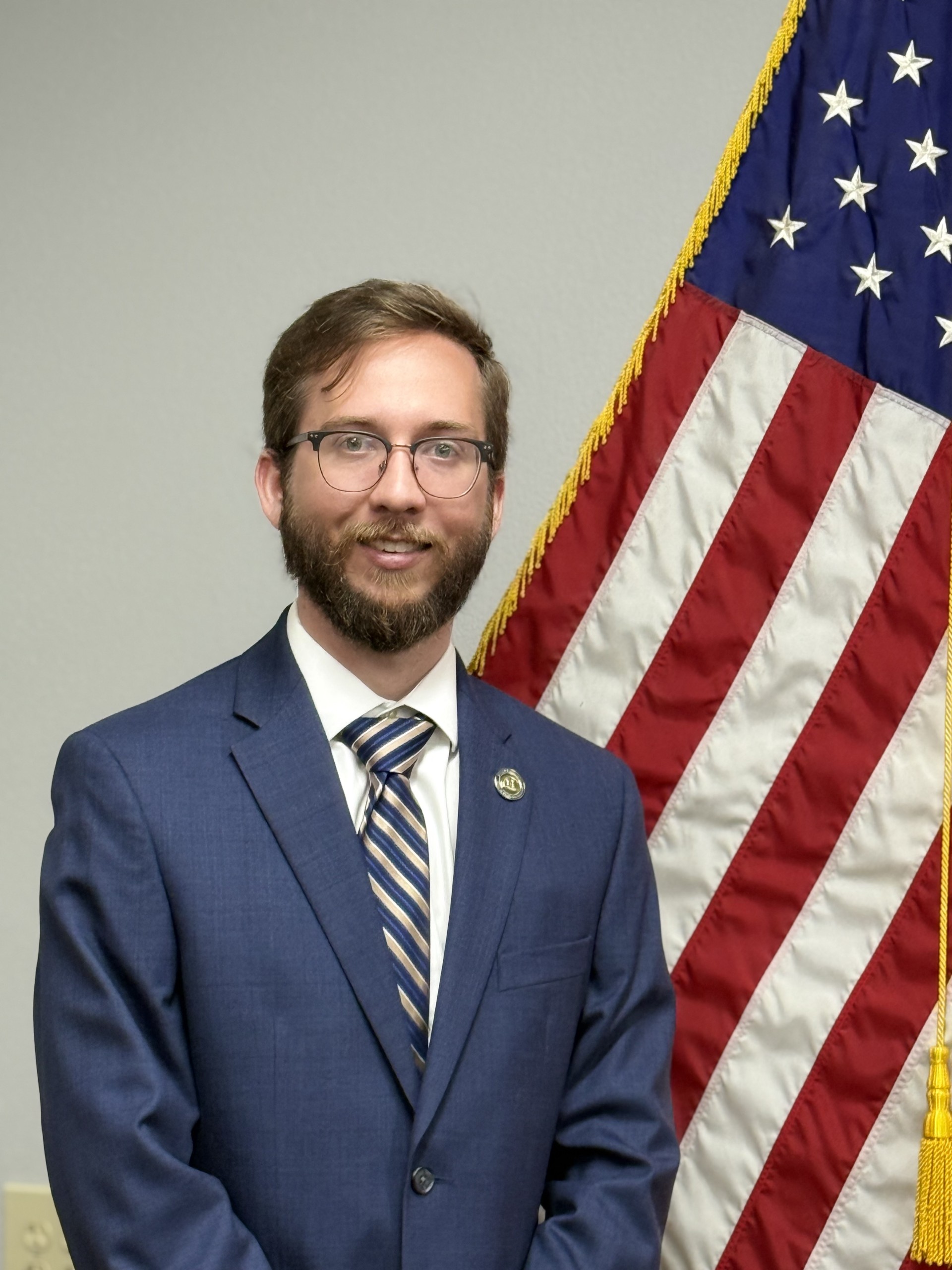
I serve as the Emergency Management Director for Hardee County, Florida. My role includes overseeing disaster preparedness, response, recovery, and mitigation activities for the county. I coordinate planning efforts, manage grants, lead the Emergency Operations Center during activations, and work closely with community partners.
Please describe your typical day.
A typical day in emergency management looks very different depending on whether it’s a “blue-sky” or a “grey-sky” day. On blue-sky days, my work focuses on planning, training, and coordination, which includes updating emergency plans, managing grants, and meeting with partner agencies. These “quieter” days are when the foundation that makes the county more resilient is built. On grey-sky days, when a disaster strikes, everything shifts. The work becomes fast-paced and operational, centered on running the Emergency Operations Center, coordinating resources, and communicating with the public.
What is your favorite part of the job?
What I enjoy most is the collaboration. Emergency management brings together so many different partners. Building those relationships and seeing them come together during a response is rewarding.
What is your least favorite part of the job?
The most difficult part is the pace of disaster recovery. It can be frustrating how long it takes for funding, projects, and assistance to reach communities in need.
If you are involved in any volunteer or leadership activities in your community, please share with us a bit about what you do and why it is important to you.
In addition to my role as Emergency Management Director, I serve as Chair of the Local Mitigation Strategy (LMS) Working Group, where I work with partners to identify and prioritize projects that reduce disaster risks. I am also a member of the Leadership Hardee Class of 2025, which has given me the opportunity to engage with other emerging leaders and build stronger connections within the community I serve.
What is your most memorable experience on the job?
Leading Hardee County’s response to Hurricane Milton was especially memorable. It tested our capabilities, but it also showed the strength of our partnerships and community resilience.
What are your hobbies/interests?
My biggest hobby is cycling, and I used to race competitively. Beyond cycling, I also enjoy gardening and home projects.
If you could give one piece of advice to people interested in a career in public service, what would it be?
Focus on relationships. In public service, your network is just as important as your skills, and collaboration is what makes lasting change possible.
Who were your mentors, and how have you passed this information down to other aspiring public administrators?
Assistant County Manager Doug Baber, who encouraged me to join FCCMA, has been an important mentor in my career. I’ve also been guided by experienced Emergency Management directors who helped shape my leadership style and professional growth.
What career would you pick if you were to pick another?
If I weren’t in public service, I would likely be a pilot. The focus, responsibility, and situational awareness required in aviation are qualities that also resonate with me in emergency management.
Do you have a story you can share about how being a member of FCCMA has helped you or impacted you in a positive way?
I have not been a member for long, but being welcomed into FCCMA by so many of its members has shown me the strength of the association’s professional network. As a new member, I feel supported and encouraged.