How long have you been an FCCMA member, and why did you join?
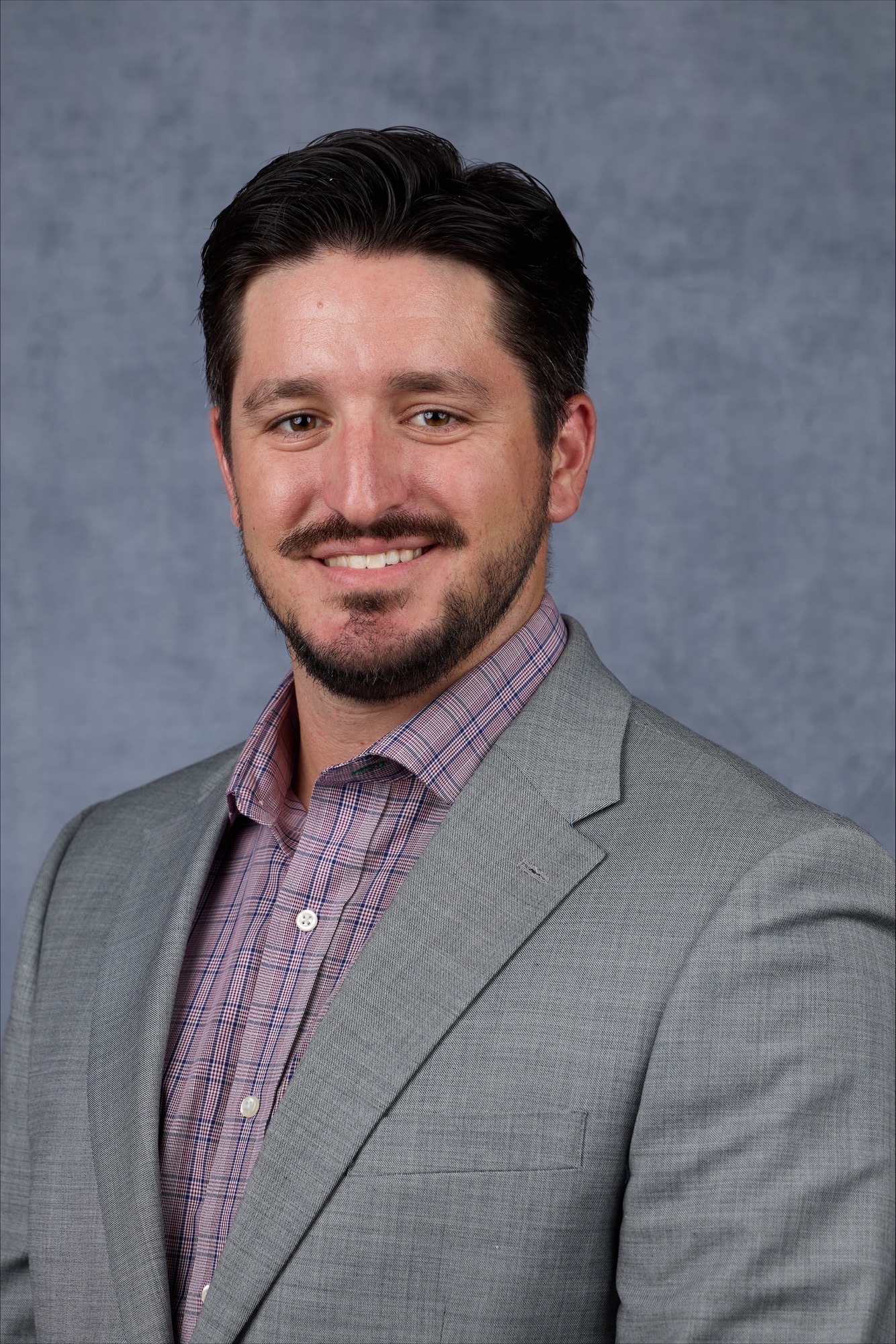
I’ve been an FCCMA member for about two months. I joined at the start of my first semester in the MPA program at Florida Gulf Coast University (FGCU), when I was beginning to take my career development more seriously. I had already joined ICMA, but once I learned about FCCMA, it felt like a more hands‑on and accessible resource for someone early in their career. It seemed like a place where I could actually get involved and learn from people doing the work I hope to do one day.
Are you an ICMA member? Why did you join, and how long have you been a member?
I joined ICMA back in April 2025, before I even knew I’d been accepted into my MPA program. At the time, I just wanted to get a better sense of the profession and start exploring what a career in city management might look like. It felt like a good first step toward understanding the field and building a foundation for the future.
Please describe your areas of formal/advanced education.
I earned my bachelor’s degree in Supervision and Management from Florida SouthWestern State College earlier this year. This fall, I completed my first semester in the Master of Public Administration program at Florida Gulf Coast University, and I’m on track to graduate in 2027.
Why did you select a career in public service?
I didn’t set out with a long‑term plan to work in public service. I started as a laborer in my city’s utilities department because it was steady work and I needed stability. But as I moved through roles like operator, foreman, and inspector, I started to see how a city really functions and how much local government impacts people’s daily lives. Somewhere along the way, the work stopped being just a job and became something I genuinely cared about. What began as a practical choice turned into a real passion for serving my community.
Have you always been in the public sector, or have you had experience in the private sector?
I’m 30 years old and have worked for my city for just under 11 years. Public service is really all I’ve known, and I’m grateful for that. Growing up professionally inside local government has shaped how I see my community, my career, and the kind of leader I hope to become.
Please tell us about your current position and give a brief job description if you are not a City Administrator/Manager. If you are currently a student, what is your program of study?
I currently serve as a Plan Reviewer for the Collection/Distribution Division of our Utilities Department. I review plan sets for new developments to make sure they meet utility standards, avoid conflicts with existing infrastructure, and support long‑term maintenance needs. It’s a role that lets me combine technical review with a broader understanding of how our systems fit together.
As a student, I’m in my first year of the MPA program at Florida Gulf Coast University, concentrating in Public Leadership and Management. My coursework has helped me connect what I see day‑to‑day in utilities with the bigger picture of how cities operate and make decisions.
Please describe your typical day.
I’m usually in the office before 7:00 a.m. Most of my day is spent reviewing permits and coordinating with staff across different departments – sometimes through email or Teams, sometimes in quick in‑person conversations. While a lot of the work is computer‑based, I really enjoy the moments when I can collaborate face‑to‑face or head out for a site visit to talk through an issue directly in the field.
I wrap up around 3:00 p.m. and take my two Boston Terriers for a walk as soon as I get home. Evenings are usually dedicated to reading, studying, and working on assignments for my MPA program. During the break between semesters, I’m looking forward to enjoying the holidays and catching up on some long‑overdue house projects.
What is your favorite part of the job? For students, what is your favorite part of your educational process thus far?
I really enjoy the problem‑solving side of my job. Every plan set presents a different situation, and I often find myself digging into specific codes or statutes to figure out the right approach. I like understanding the “why” behind a requirement so I can explain it in a way that feels fair and collaborative. I’m also motivated by process improvements – finding ways for our team to work more efficiently and make a bigger impact.
As a student, I’ve appreciated how hands‑on the MPA program feels. Even though it’s fully online, my professors are engaged and intentional about helping us grow both academically and professionally. They share opportunities, resources, and real‑world insights that make the coursework feel connected to the work I’m already doing.
What is your least favorite part of the job? For students, what is your least favorite part of your educational process thus far?
My least favorite part of the job is delivering bad news – whether it’s explaining why a plan was rejected or letting someone know a project is delayed. Those conversations are never enjoyable, but they’re necessary. We work in a space where consistency and equity matter, and clear expectations help people understand that the process isn’t arbitrary.
On the academic side, online learning fits my schedule well, but it naturally limits the spontaneous conversations you get in a traditional classroom. Fortunately, FGCU does a good job creating opportunities to connect. For example, FCCMA hosted a fall symposium on campus that I really enjoyed – it reminded me how valuable in‑person interaction can be.
If you are involved in any volunteer or leadership activities in your community, please share with us a bit about what you do and why it is important to you.
This semester, I intentionally stepped back from outside activities so I could balance full‑time work with a full graduate course load. After talking with peers at the ICMA Annual Conference in Tampa, though, I was inspired by how many of them still find ways to give back while juggling similar responsibilities. That pushed me to re‑engage. Starting in the new year, I plan to volunteer with my local animal shelter, the United Way, and the Kiwanis Club. As I gain more experience, I hope to use my background in local government to help create leadership opportunities in parts of the community that may be underserved.
What is your most memorable experience on the job?
One of my most memorable experiences came right after Hurricane Ian. My crew and I were out in the community making water line repairs and working to restore service for residents who had just lived through a Category 5 storm. It was some of the hardest work I’ve ever done – not because of the physical effort, but because of the devastation we saw everywhere.
In that moment, even getting water flowing again for a single home felt meaningful. It was one small thing we could do to help people start rebuilding their lives. The work was tough, but it carried a sense of purpose I hadn’t experienced before.
What are your hobbies/interests?
Outside of work, I enjoy reading, spending time with my wife and friends, and catching a baseball game when I can. I also like exploring new cities, relaxing at the beach, and spending time with my two Boston Terriers. I try to keep learning in small ways, whether through reading, new topics, or visiting new places.
If you could give one piece of advice to people interested in a career in public service, what would it be?
I’m still early in my career, so I’m somewhere between giving advice and receiving it. But the biggest thing I’ve learned is that it helps to be clear about why you want to do this work. I never wanted to end up in a role where I was selling something I didn’t believe in or making decisions that hurt people. I love my city – flaws and all – and I want to spend my career helping make it better through equity, innovation, and thoughtful leadership.
At the ICMA conference, several speakers described local government as a noble profession, and that really stuck with me. If you feel that same pull, you’re probably in the right place.
I know the work is hard. But at the ICMA conference, multiple speakers described local government as a noble profession, and that really resonated with me. If you feel that same pull, then this is the right field for you.
Who were your mentors and how have you passed this information down to other aspiring public administrators?
Two people I hope to learn from as I move through my MPA program and continue growing in my career are Dr. Robert Lee and Claire Jubb. Dr. Lee, an associate professor at FGCU, brings decades of experience in public service and has already been a great source of insight. Claire Jubb, the Assistant County Administrator of Charlotte County, has taken the time to talk with me about my career goals and has a strong track record of mentorship. I’m grateful for the chance to learn from both of them.
What career would you pick if you were to pick another?
If I had to choose another career, I’ve always been drawn to the music world. I’m not musically talented myself, but I’ve always been fascinated by the creative process. I think I would have wanted to work for a record label in an A&R‑type role – helping artists develop their sound and grow.
Another path that’s always appealed to me is interviewing. I love talking to people, and I’ve always admired interviewers who go deeper than the standard questions. Someone like Zane Lowe comes to mind – the way he gets artists to open up about their craft and their lives is something I’ve always found compelling.
Do you have a story you can share about how being a member of FCCMA has helped you or impacted you in a positive way?
I’m new to FCCMA, but at this year’s ICMA conference I attended the FCCMA social, and it was genuinely a great experience. I ended up having long conversations with several members who were open, welcoming, and generous with their advice. That event made it clear that FCCMA is more than just a line on a resume; it’s a community of people who want to help you grow.